Article: Bandhgala vs Indo-Western: Which One Should You Actually Wear?
Bandhgala vs Indo-Western: Which One Should You Actually Wear?
Two Garments, Two Statements
The bandhgala and the Indo-Western jacket occupy the same territory in Indian menswear — both are structured, both work for weddings and formal occasions, and both photograph beautifully. But they say completely different things about the man wearing them.
Get this choice right and you look intentional and effortlessly stylish. Get it wrong and you look like you grabbed the first thing that fit.
Here is the definitive breakdown.
What Each Garment Actually Is
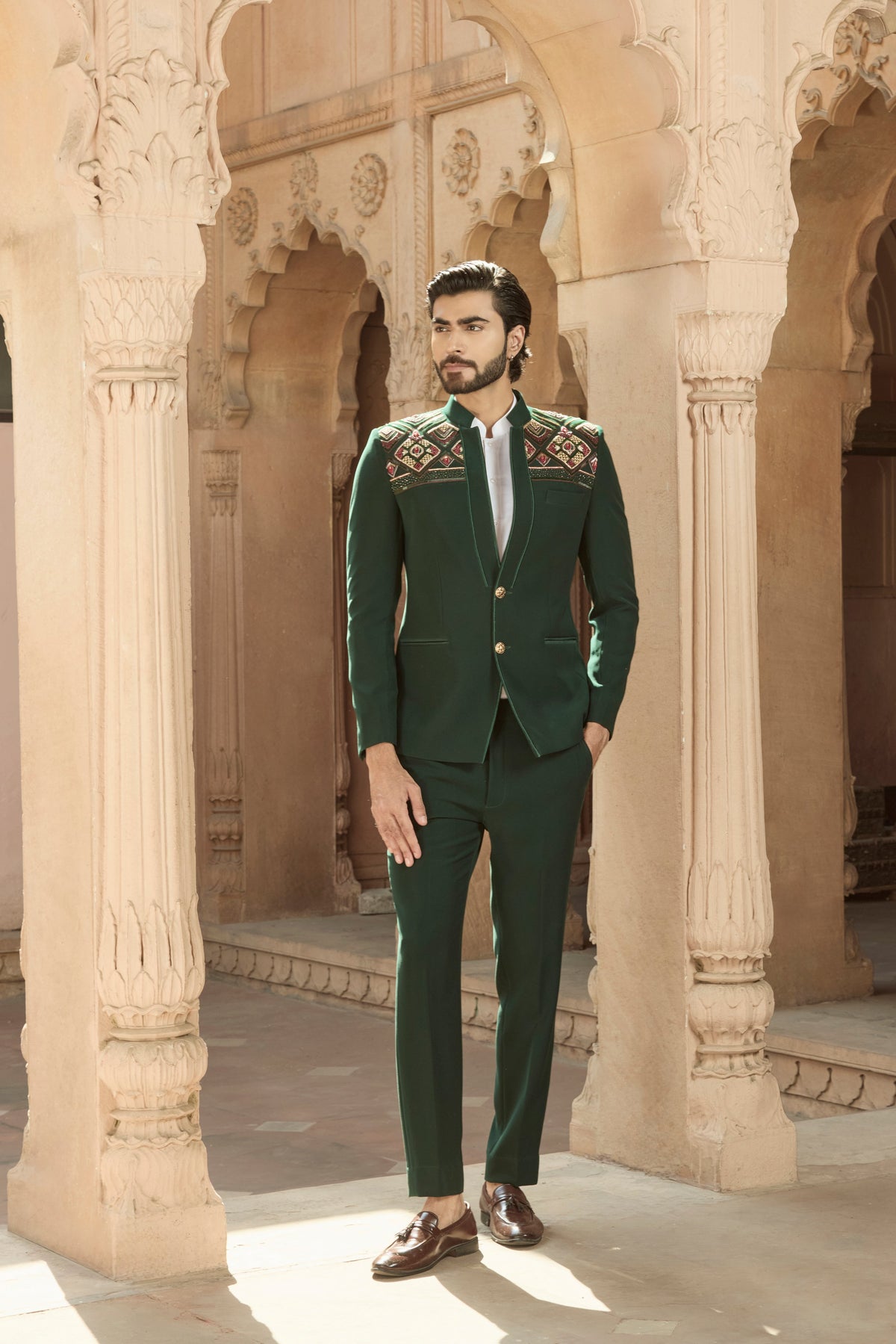
The Bandhgala (also called a Jodhpuri suit) is a structured, closed-collar jacket of Indian origin, typically knee-length, with a mandarin/Nehru collar that buttons to the top. It is paired with matching trousers and sometimes a brocade pocket square or brooch. The silhouette is clean, formal, and unambiguously Indian. It has been worn by heads of state, industrialists, and film icons — its cultural currency is substantial.
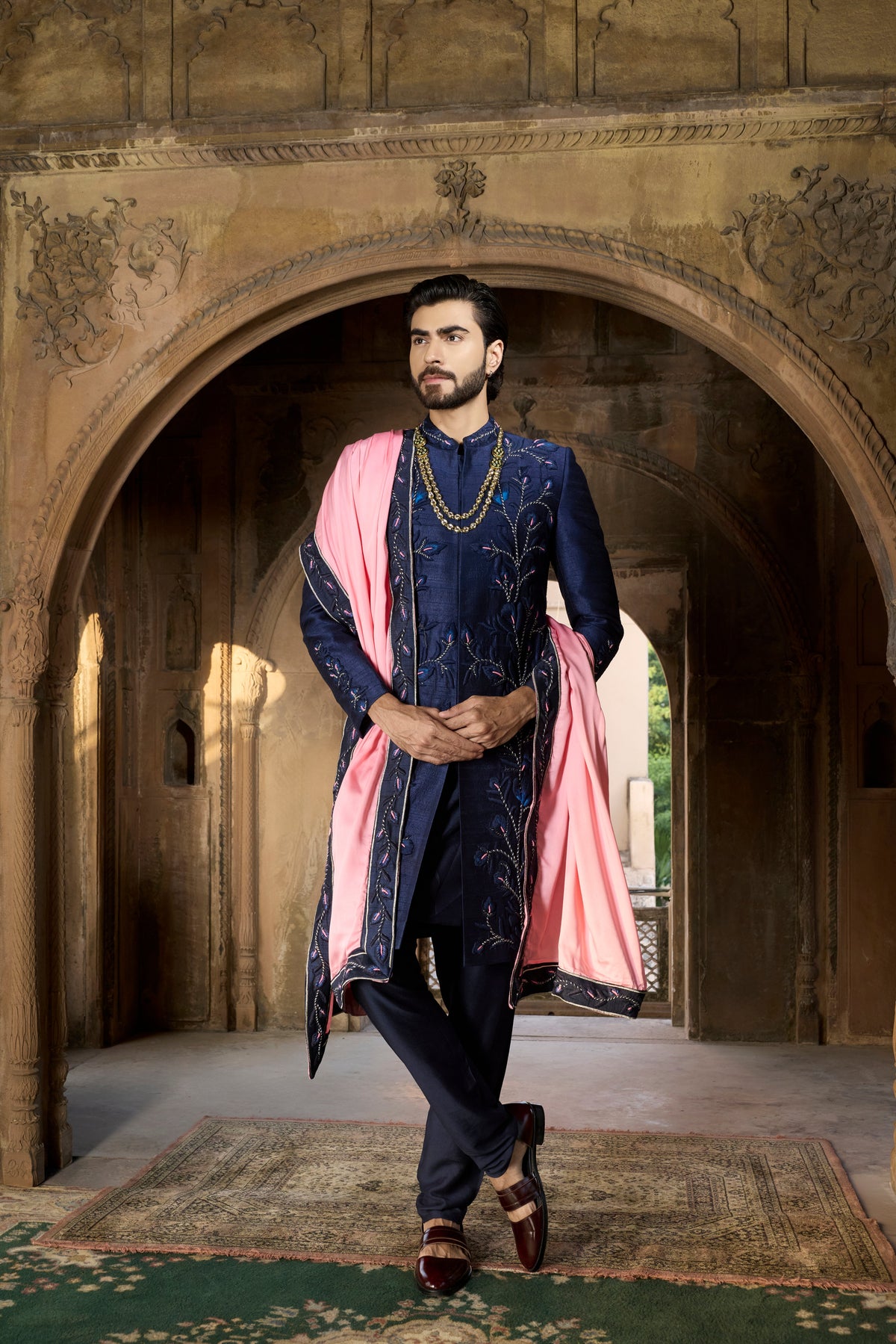
The Indo-Western jacket is a hybrid — a garment that borrows Western tailoring conventions (lapels, open fronts, asymmetric cuts, relaxed hems) and fuses them with Indian fabrics, embroidery, and sensibility. There is no single definition of Indo-Western; it spans everything from an embroidered open jacket worn over churidar to an asymmetric structured coat worn over slim trousers.
The Core Difference: Intention
A bandhgala communicates authority. It is deliberate, structured, and culturally rooted. When you walk into a room in a well-cut bandhgala, you are not experimenting — you are making a statement of refinement.
An Indo-Western communicates personality. It signals that you are aware of tradition but not bound by it. It is bolder, more contemporary, and invites conversation. When you wear Indo-Western well, you look like a man with genuine style sensibility rather than someone who simply followed a dress code.
Neither is better. They serve different men in different moments.
When to Wear Each
Bandhgala Wins For:
- Reception as the groom or close family: The bandhgala's formality matches the occasion's ceremony without the grandeur of a sherwani. It photographs superbly in both candid and formal shots.
- Corporate or formal events with an Indian element: Business dinners, award functions, felicitations. The bandhgala is the Indian equivalent of a well-cut Western suit — professional, respected, impeccably correct.
- When you want to look effortlessly classic: The bandhgala has no risk. It reads as elegant in every cultural context — Indian or international.
- Older guests at weddings: Respectful, appropriate, and always polished.
Indo-Western Wins For:
- Cocktail parties and pre-wedding events: The relaxed-formal tone of cocktail evenings is perfectly matched by Indo-Western's creative edge. You stand out without overdressing.
- Reception as a guest who wants to be noticed: An asymmetric Indo-Western jacket in a deep tone — midnight navy, forest green, oxblood — with embellishment creates genuine impact.
- Younger grooms who want modern: If a sherwani feels too traditional for your personality, a well-cut Indo-Western gives you all the formality with more of yourself in it.
- International weddings or mixed-culture events: Indo-Western bridges Indian and global dress codes elegantly. It is accessible and striking to guests from any background.
Body Type Considerations
Tall and lean: Both work beautifully. A bandhgala with slim trousers emphasises the frame elegantly. An Indo-Western with flared or asymmetric hem adds drama.
Broad-shouldered: The structured bandhgala collar and single-button closure elongates without adding width. Avoid Indo-Western styles with horizontal embroidery or wide lapels — they add visual width.
Shorter frame: Shorter bandhgala lengths (above the knee) with high-waisted trousers create the illusion of height. Indo-Western styles with vertical embroidery or asymmetric vertical lines work equally well. Avoid wide, boxy silhouettes in either style.
Heavier build: A well-tailored bandhgala is far more forgiving than off-the-rack Indo-Western. The structure supports the body without clinging. Made-to-measure in either style is strongly recommended.
The Fabric Question
Bandhgalas traditionally use brocade, silk, velvet, or structured cotton blends — fabrics that hold the silhouette's clean lines. Indo-Western is more forgiving and works in a wider range of fabrics including embroidered linen, jacquard, and even structured crepe.
For summer weddings, an Indo-Western in a lightweight embroidered linen will always be more comfortable than a heavy brocade bandhgala. Comfort matters more than you think when you are on your feet for six hours.
The Honest Verdict
If you are choosing between them for a single occasion: ask yourself whether you want to look classic or contemporary. If classic — bandhgala. If contemporary — Indo-Western.
If you are building a wardrobe: own one of each. A single well-made bandhgala in navy or black covers every formal Indian occasion indefinitely. A single Indo-Western jacket in a bolder tone or cut gives you the personality piece that makes your wardrobe feel alive.
Both should be made-to-measure. Neither looks right off a hanger on someone else's proportions.