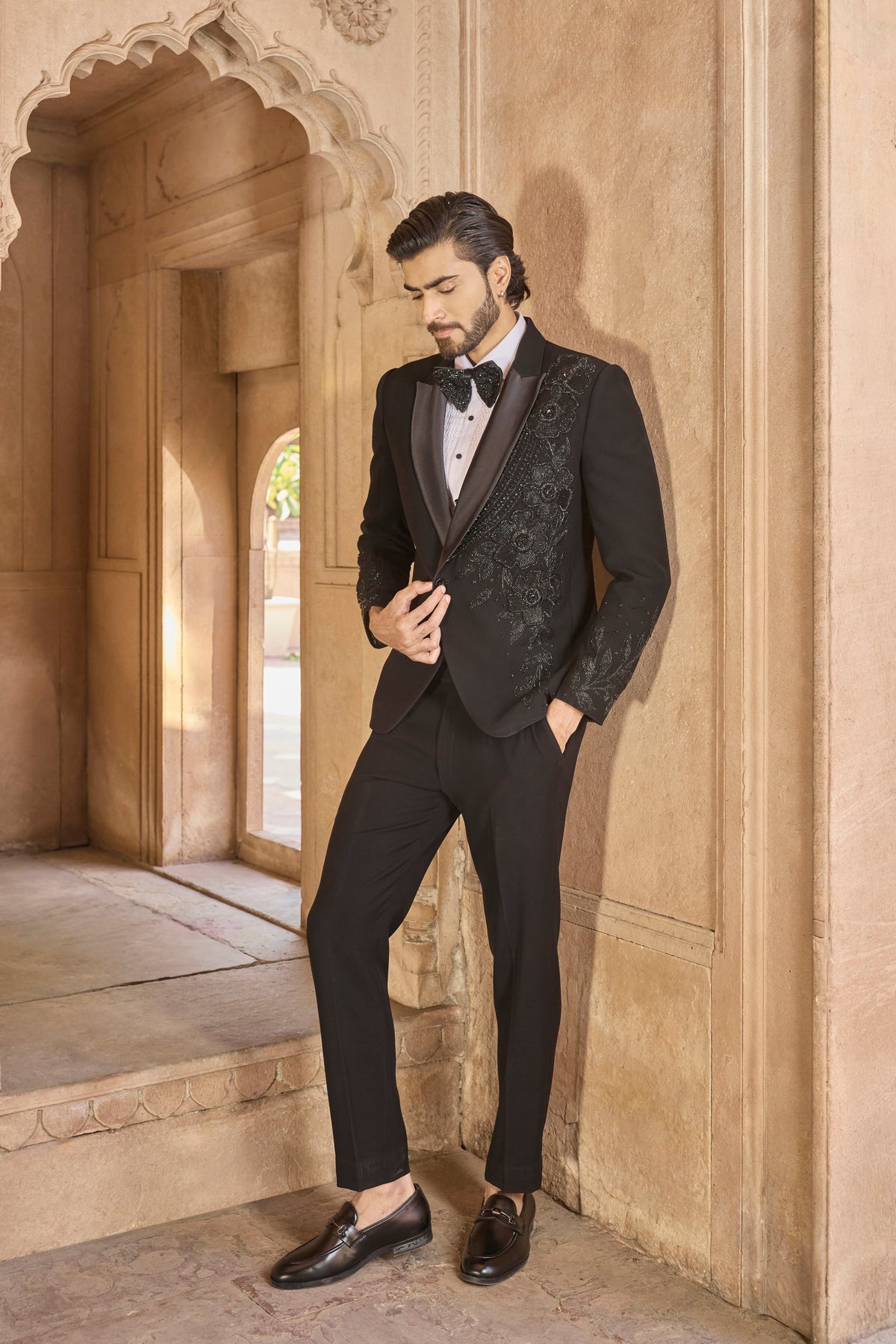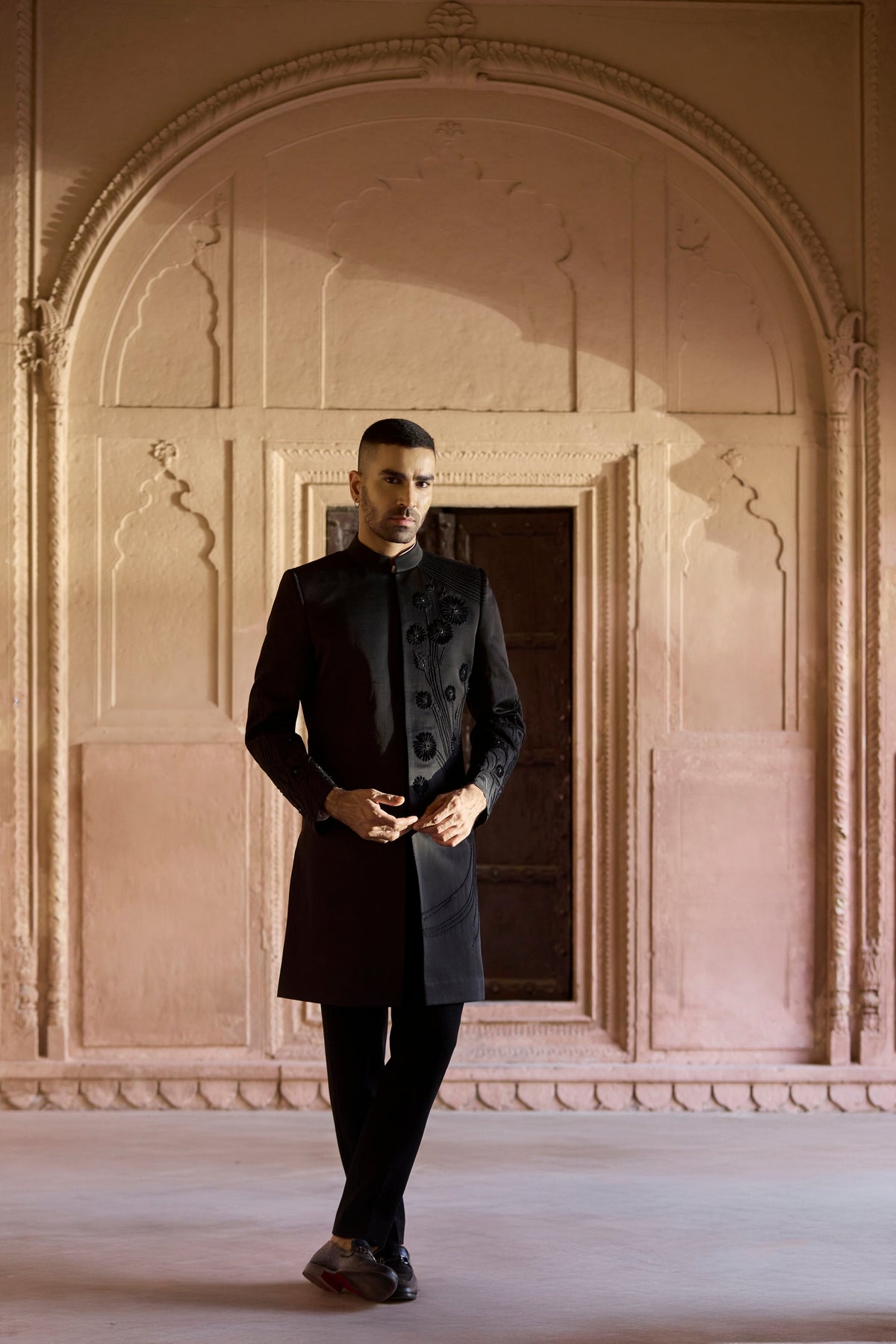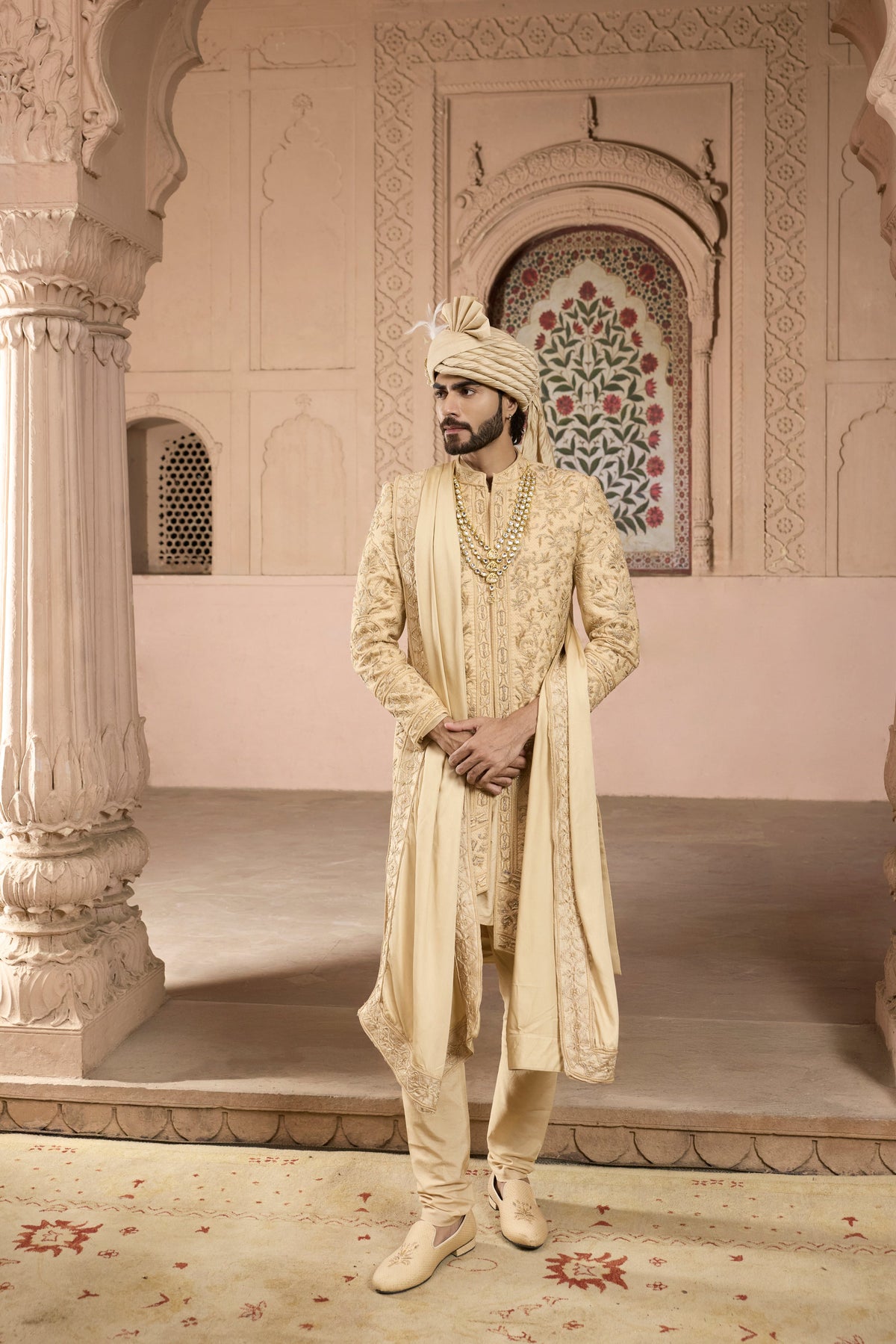
Why Finding the Perfect Groom Sherwani Feels Impossible (And How to Get It Right)
The Most Important Outfit of Your Life — And Nobody Helps You Choose It
You spend months planning a wedding. Every detail — the venue, the food, the flowers — gets obsessive attention. And then, somewhere in the middle of it all, someone casually says: "Have you sorted your sherwani yet?"
And that is when the spiral begins.
Walk into any market and you are immediately confronted by a hundred sherwanis that all look the same — ivory, cream, off-white, beige — with embroidery you cannot tell apart, at price points that vary wildly with no explanation. You try three on and they all feel stiff. The salesperson tells you each one is the "best." You leave more confused than when you arrived.
This is not your fault. Groom sherwani shopping is genuinely broken — and here is why.
Problem 1: Everything Looks the Same Off the Rack
Most ready-made sherwanis are produced in bulk, meaning the embroidery is machine-churned and the silhouettes are averaged to fit a generic body. There is no real design identity — just variations of the same Zari pattern on the same slim kurta, in slightly different shades of beige.
When you are spending ₹30,000 to ₹1,00,000 on a single outfit, you deserve something that looks like it was designed for you — not the broadest possible customer demographic.
Problem 2: The Fit Is Almost Never Right
Sherwanis are long, structured garments with multiple pieces — the achkan or kurta, the churidar or salwar, and often a dupatta. Every element needs to be proportioned correctly for your body. A sherwani that fits perfectly in the chest but is two inches too long looks off in every photograph. Off-the-rack cannot solve this.
Problem 3: You Cannot Tell Quality From Photographs
Online shopping for sherwanis is a gamble. Product images are shot in perfect lighting. The embroidery looks rich, the fabric looks heavy. What arrives is often thinner, duller, and less detailed than what you saw on screen. The only way to truly judge a sherwani is to feel the fabric weight and examine the embroidery up close.
Problem 4: Delivery Timelines Are Never What They Say
Bespoke sherwanis require time — hand embroidery in particular takes weeks. The problem is that most studios underquote their timelines to win the booking, then scramble as the wedding approaches. The fix: start your sherwani process at least 6–8 weeks before the wedding date, and work with a studio that gives you honest timelines upfront.
The Solution: Bespoke Over Ready-Made, Always
A made-to-measure sherwani solves all four problems at once. You get a silhouette designed around your actual measurements, embroidery chosen for your skin tone and wedding colour palette, fabric selected in person, and a timeline agreed upon honestly at the start.
At Bhavya Bhasin Couture, every sherwani begins with a consultation — not a fitting room with a pushy salesperson. We discuss your wedding functions, your colour palette, your personal style, and your body proportions. Then we design something that is genuinely yours.
Your baraat outfit should make you walk taller, slower, and with absolute confidence. That only happens when the outfit was built for you.